
DECADES OF SERVICE
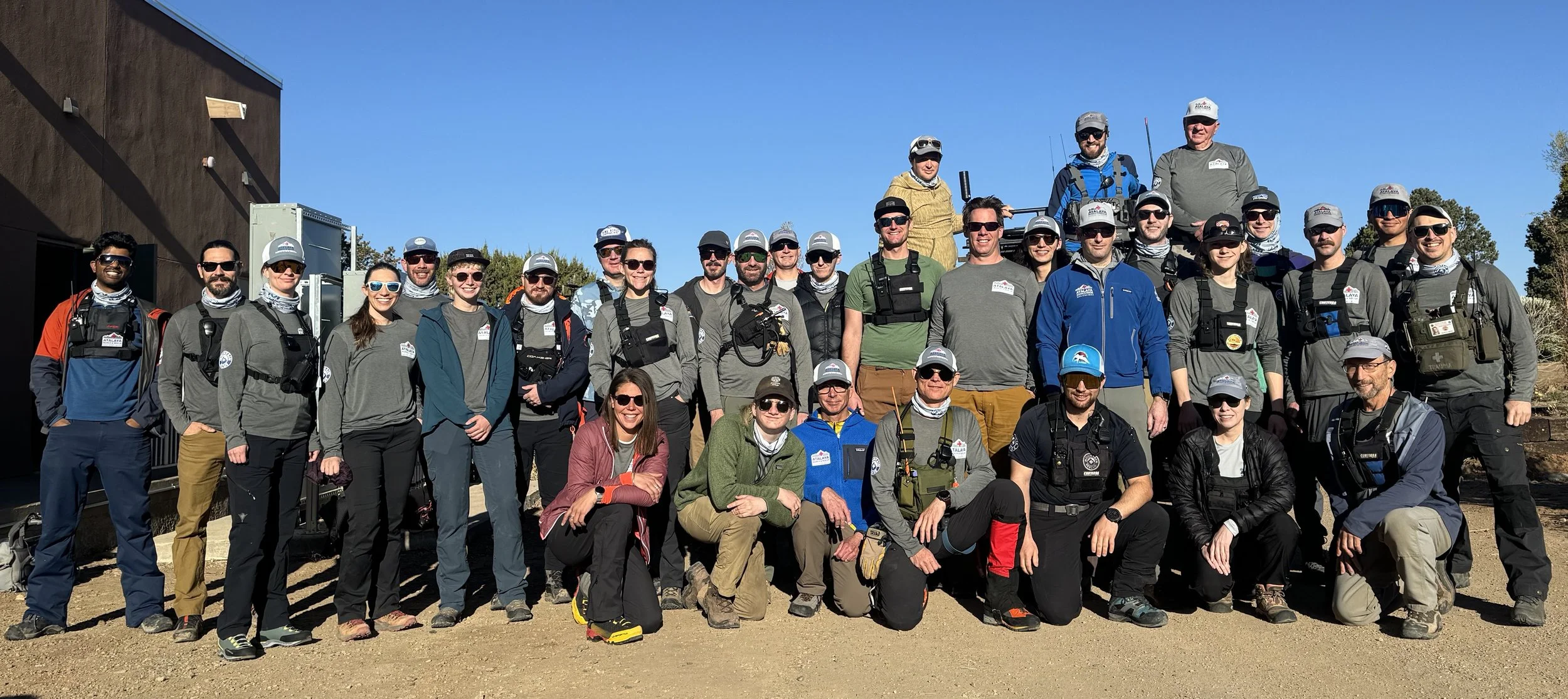
TEAM PROFILE
4
Average years of
member service
170+
Total years of
member service
800+
Total team
mission responses
CAPABILITIES
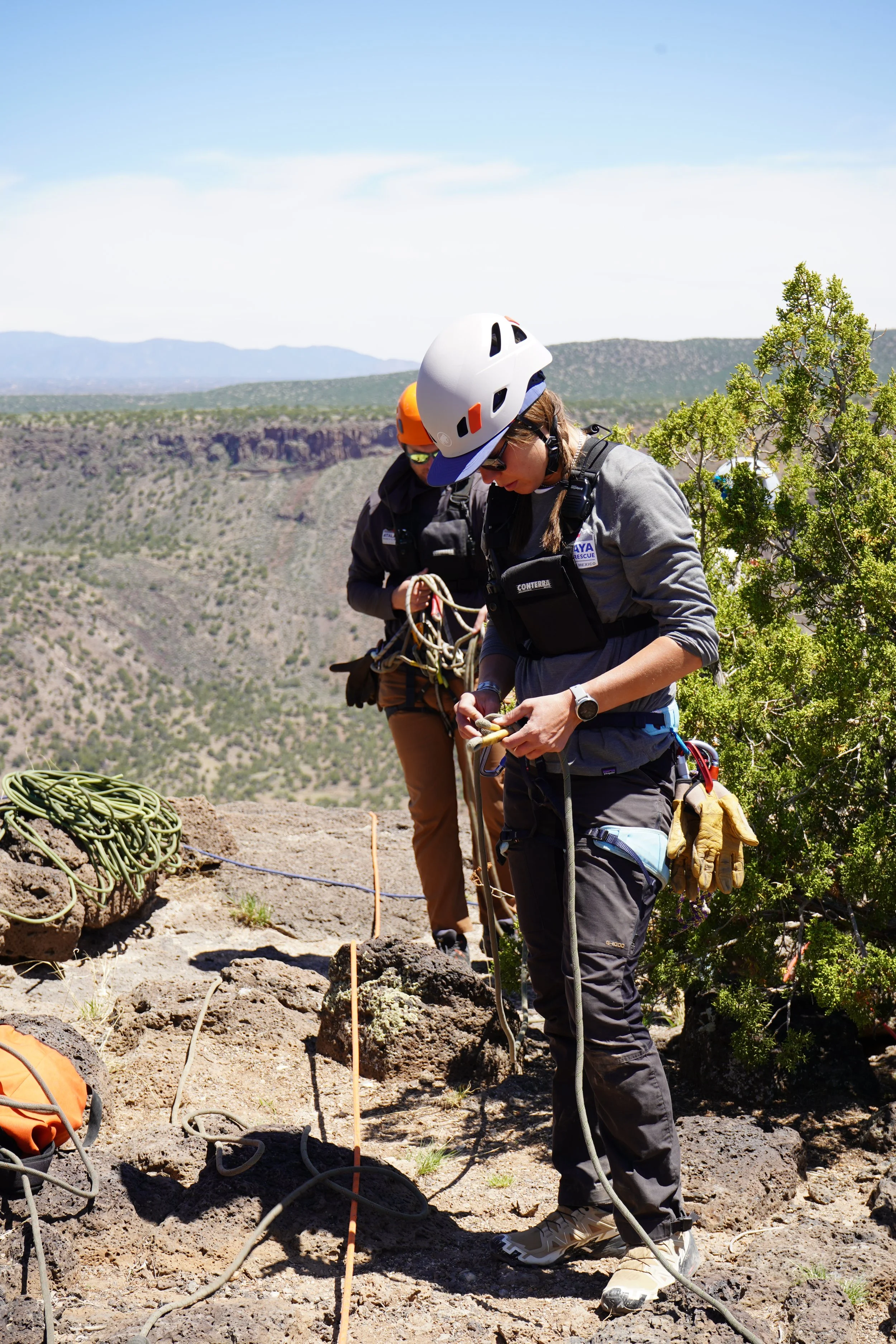
HIGH ANGLE RESCUE
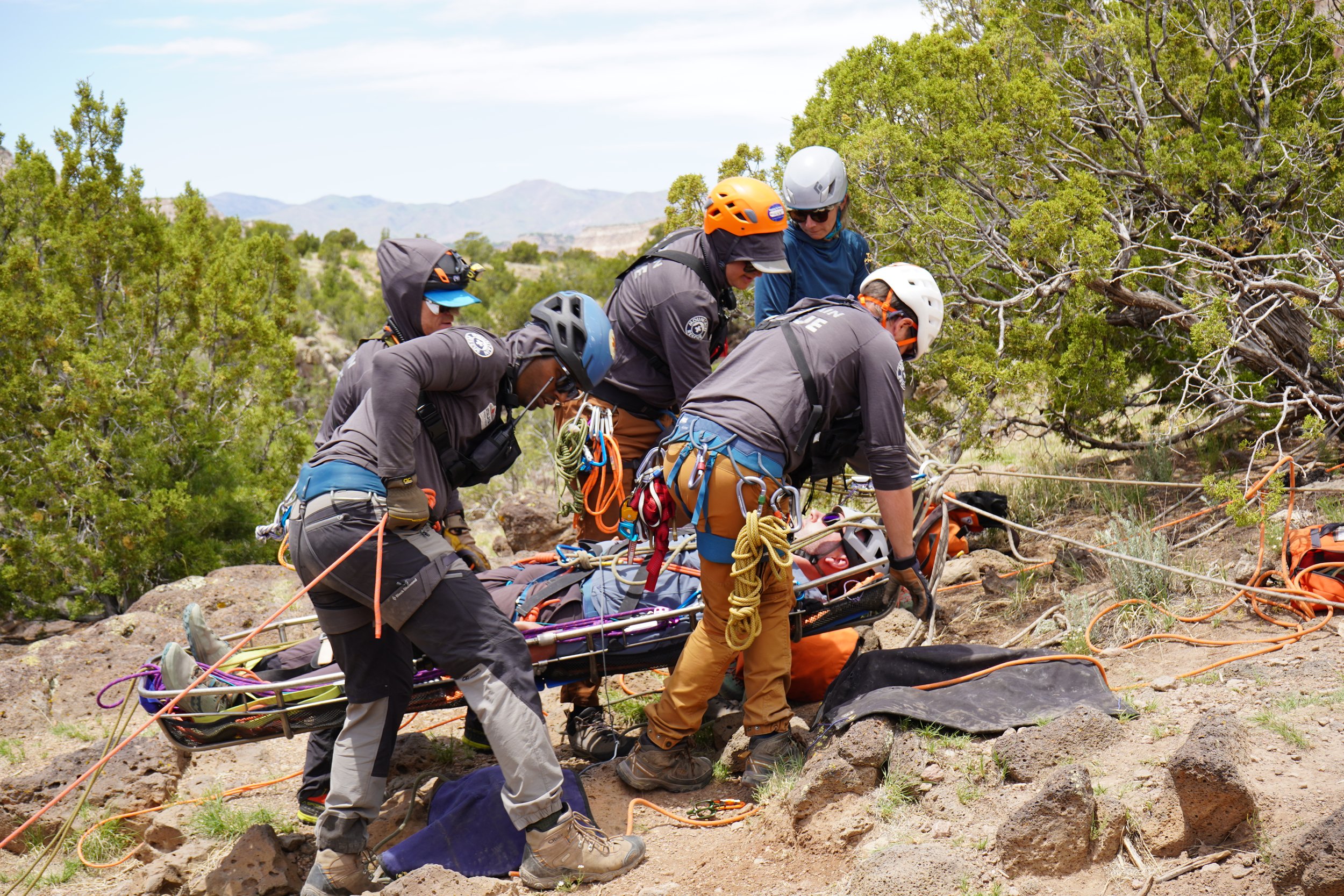
Atalaya Search and Rescue is one of two MRA-accredited technical rescue teams in the state of New Mexico. We operate in vertical and near-vertical terrain and utilize vertical raises and lowers, guiding lines, high lines, and cross hauls to safely extricate injured or stuck subjects from hard-to-reach places. We most frequently train on our high angle systems to maintain this critical capability for NM SAR responses.
AVALANCHE RESPONSE
Although rare in New Mexico, avalanche terrain exists and is present in many popular winter backcountry areas in the Northern half of the state. In particular, we often receive calls for missing or overdue people who recreate in side country areas near our ski resorts, often in or directly bordering avalanche terrain. We are trained and prepared to operate safely in avalanche terrain and to respond en masse to avalanche rescue and recovery efforts.
SEARCH AND TRAIL EVACUATION
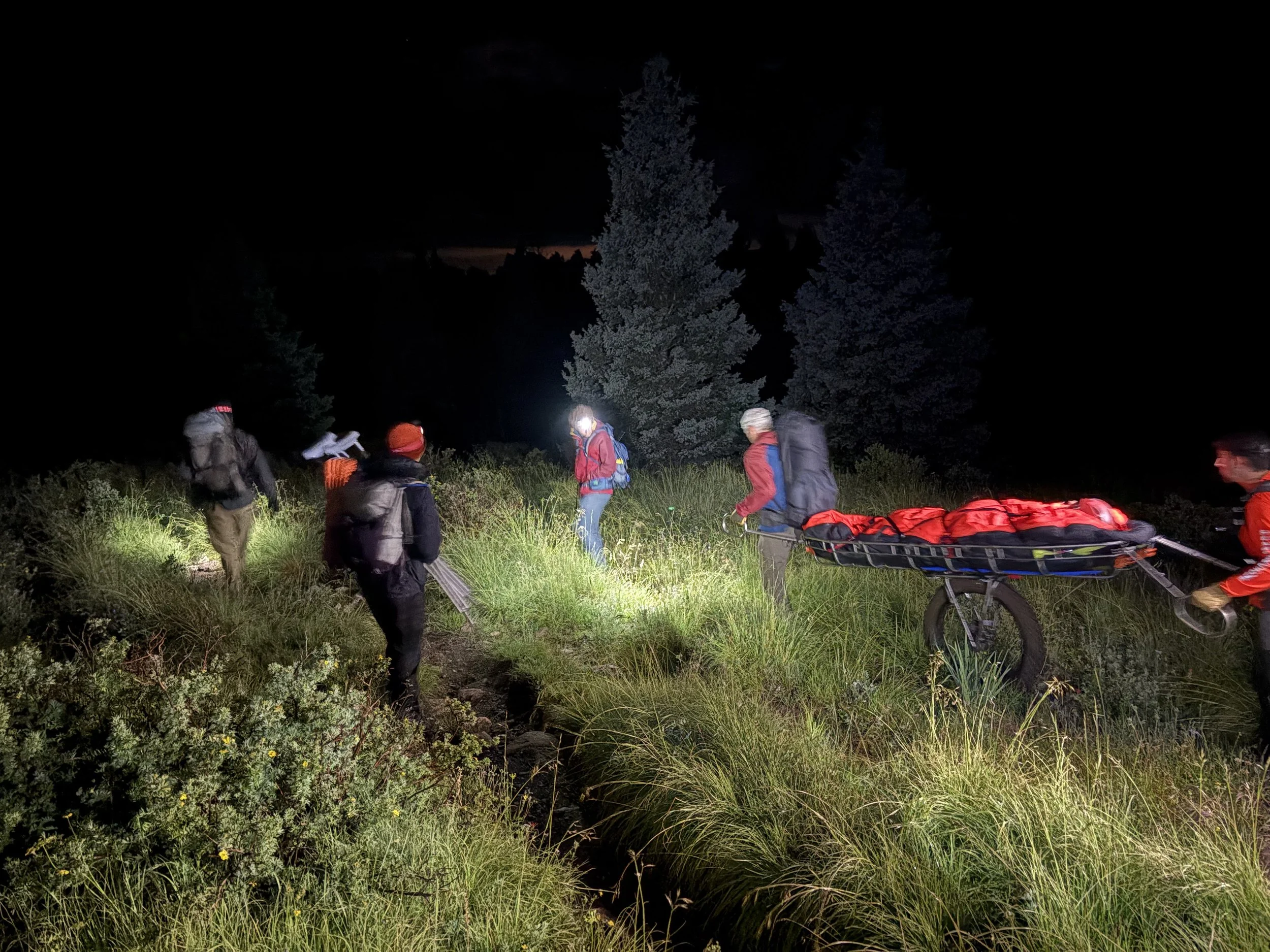
ASAR’s most frequent callout is for lost or injured people. In these cases, it is our responsibility to track down and locate the lost individuals and appropriately evacuate them to definitive medical care, as needed. We utilize a lightweight, titanium Stokes litter with an all-terrain transport wheel and vacuum mattress to safely and securely extricate subjects from the backcountry. These missions most often involve long miles traveled through the night on little to no sleep.
MEDIUM ANGLE RESCUE
A significant portion of alpine terrain in the Rocky Mountain region is considered medium angle. With rock talus, scree, or loose and unstable dirt, medium angle terrain is one of the most challenging operating environments for rescuers. These technical rescues are physically demanding, there is an ever-present danger of cacti and rattlesnakes, and the exposed nature of the terrain leaves rescuers feeling the full brunt of the elements. We spend a significant amount of training time practicing in medium angle environments.
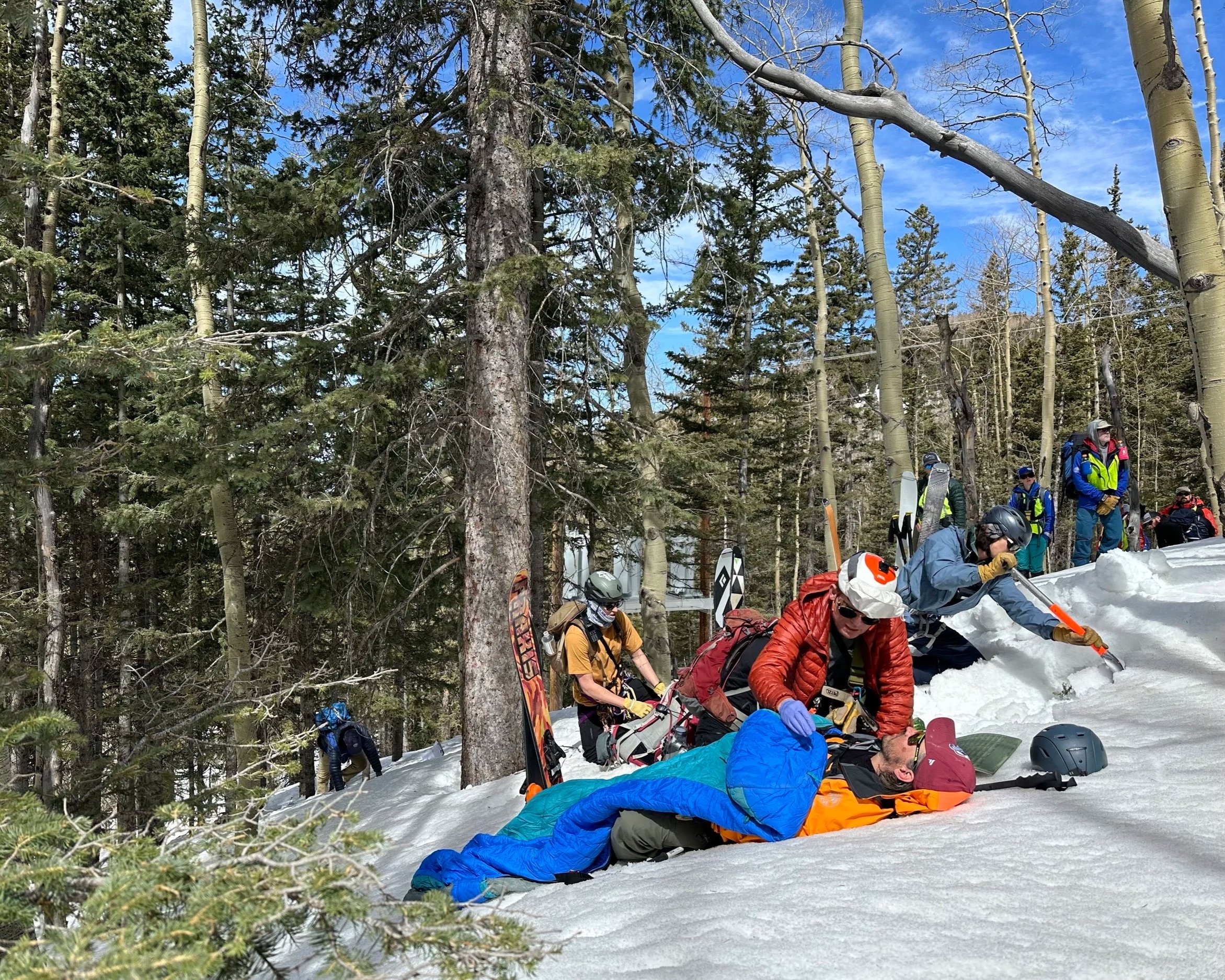
WINTER EVACUATION
Rescues during the cold, winter months often involve slower travel over snow with additional gear not normally needed in the summer and shoulder months. Extrications might also involve the use of a sked instead of a Stokes litter, which enables seamless subject transport over snowy terrain. Most winter rescues are performed in low and medium angle environments and involve sked transport to flatter, drier ground.
TEAM LEADERSHIP
-
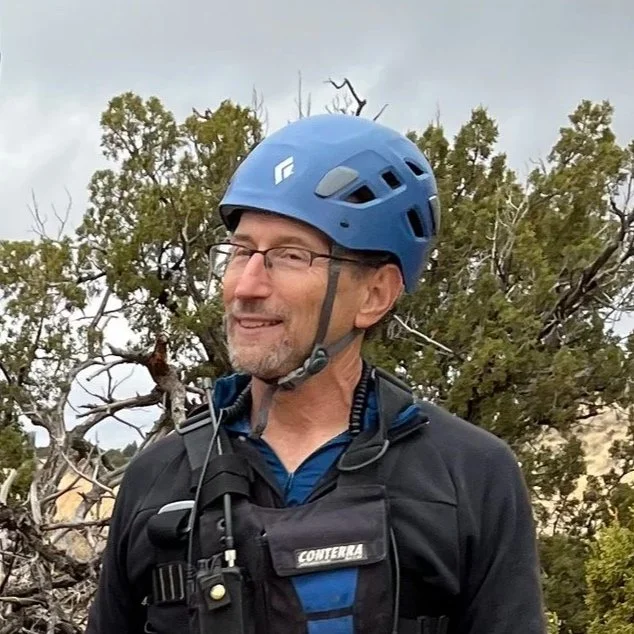
John Becker
President
Medical Director -
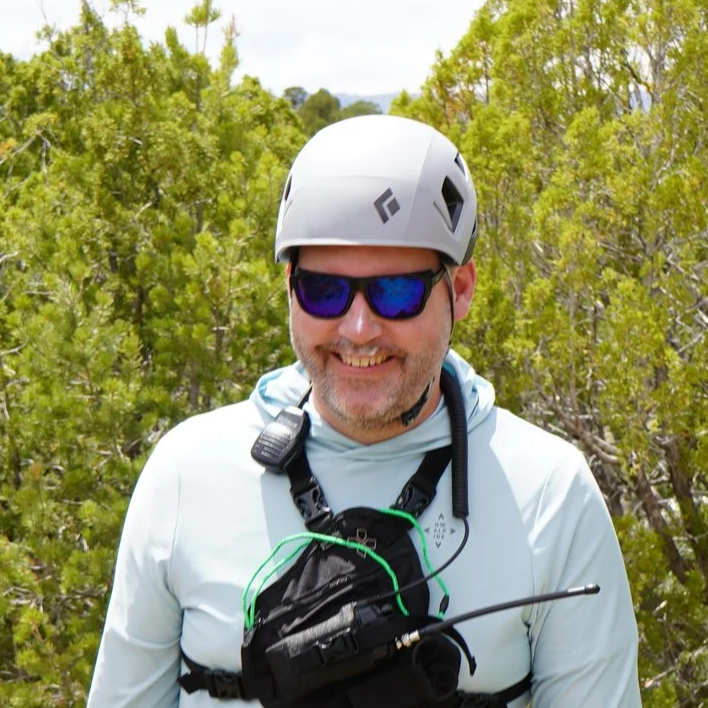
David Dunlop
Vice President
-
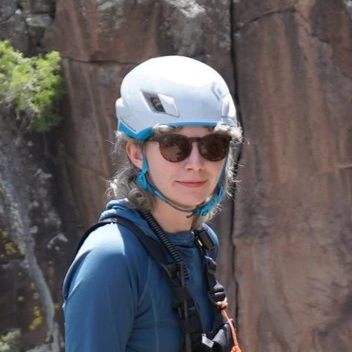
Audrey Garrett
Secretary
-
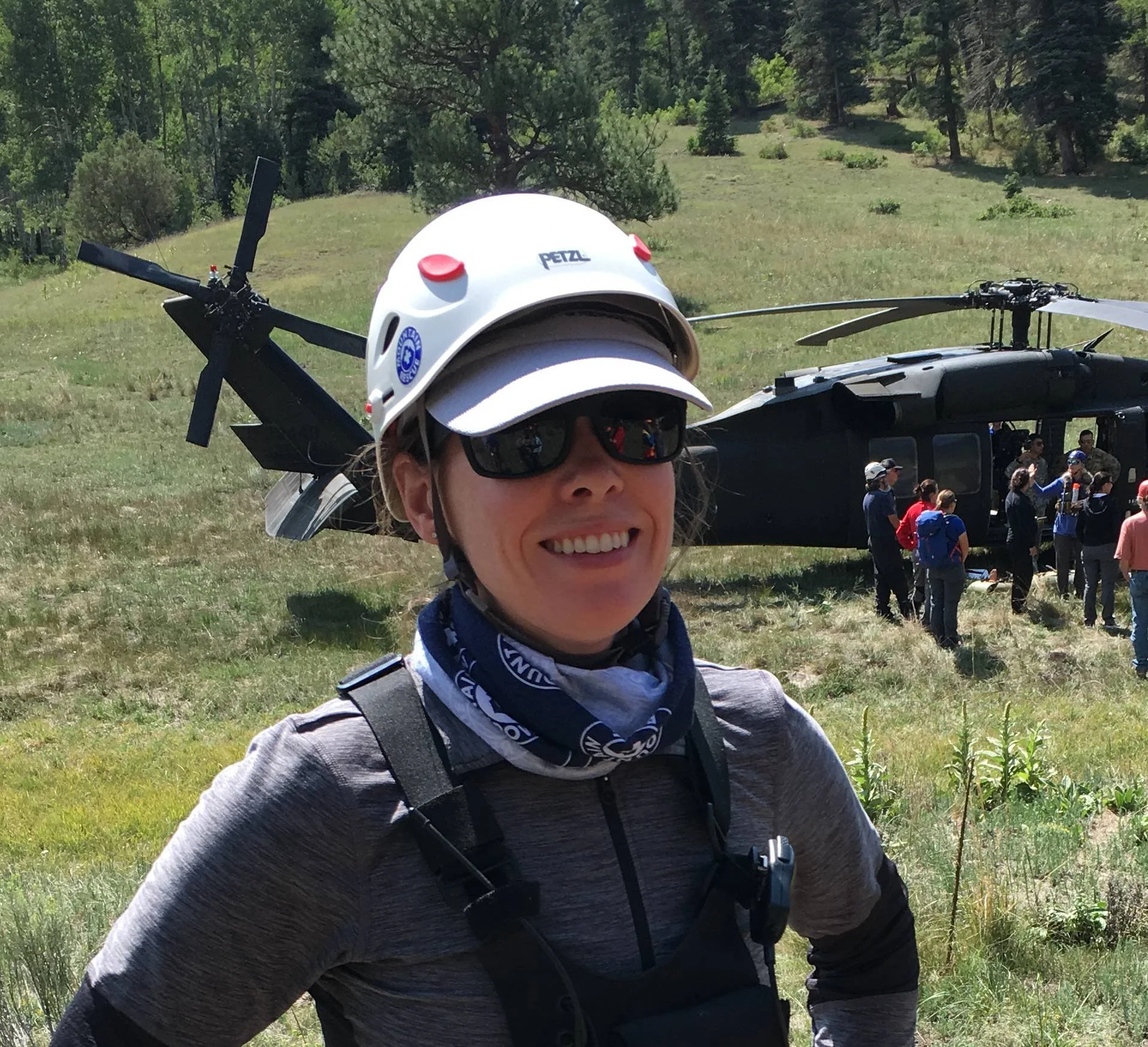
Aimee Adamek
Treasurer
-
Jeremy Mitchell
Gear Officer
-
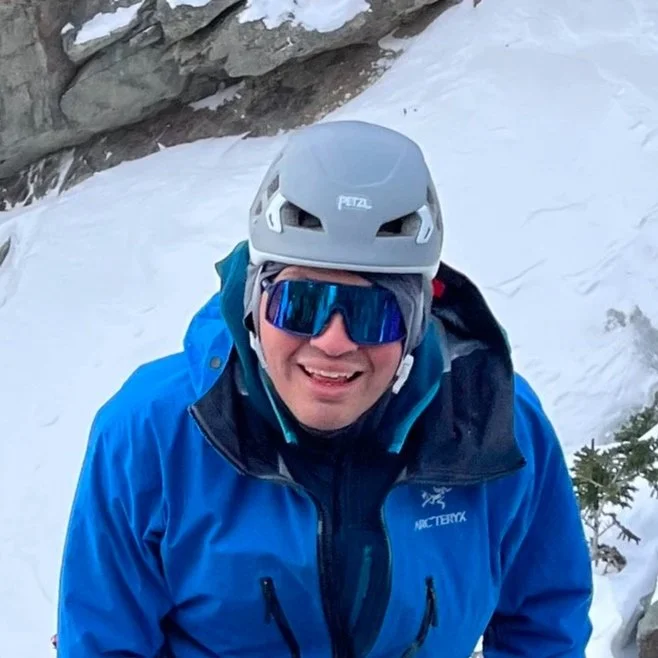
Aaron Lovato
Training Officer
-
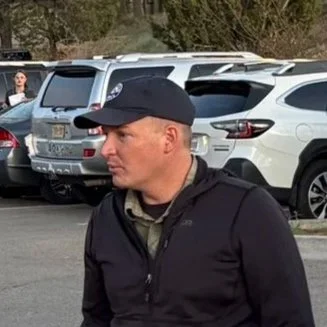
Karl Smith
Communications Officer
Incident Commander
Frequently Asked Questions
-
2002, after the reorganization of predecessor St. John’s College SAR, which was founded in the 1970s. Modern-day ASAR carries on a tradition dating back over 50 years.
-
We are deployed by the State Police on about 30 missions per year. This equates to just over one mission every other week. In practice, we receive a higher concentration of calls in early summer once most of the snow has melted in the New Mexico alpine and in autumn once hunting and gathering season begins. In addition to mission response, ASAR members also attend biweekly technical trainings to build and fine tune the skills that are utilized on missions.
-
Most of our members have at least received a wilderness first aid (WFA) certification, and many have received a wilderness first responder (WFR) certification. Among our ranks, we have paramedics, doctors, nurses, and EMTs.
-
All ASAR Members are outdoor recreationists in their free time. This includes ski patrollers, rock climbers, ultra runners, hikers, backpackers, backcountry skiers, mountain bikers, whitewater rafters, and hunters. Since our members spend so much free time recreating in the New Mexico backcountry themselves, they also have intimate knowledge of the same public lands in which New Mexicans find themselves lost and injured. This is why we are so well equipped to respond to SAR missions. Much of our team has completed technical rigging courses from external training partners and many have also pursued avalanche education and rescue training on their own time.
-
As New Mexico teams do not receive state funding for search and rescue, we are entirely funded by private donations, grants, and fundraising efforts. The largest single portion of our annual operating expenses, about 40%, goes straight back into team training resources. About 20% is used to purchase or replace team gear. Smaller 10% portions are used to cover fixed overhead expenses, vehicle maintenance costs, and future investments.
-
Please donate! For a small, self-supported team like us, individual contributions have an outsized impact. Over 50% of each donation goes directly toward the training, gear, and vehicle expenses that allow us to respond swiftly to backcountry emergencies, so a donation to our team is one of the best ways to give back to the local community.